Leak Detection Waratah
The leak you can see is rarely the one doing the damage. The expensive one hides behind plaster, under a slab or out in the yard, and the first sign is usually a quarterly bill that climbs for no reason.
We trace hidden leaks across Waratah and the neighbouring suburbs with listening gear, pressure testing and cameras, then quote the repair before anything gets opened up. Plumbers Waratah covers the full general plumbing range, starting from the Waratah home page.
Why older streets here hide so many leaks
The housing stock gives water plenty of places to escape unnoticed. Four come up again and again on the older blocks:
Corroded steel supply lines past their century
Federation and inter-war houses around the station precinct still feed through original galvanised pipes, and a corroded wall can weep inside a cavity for months before anyone notices.
Clay sewer joints cracking underground
The colliery-era cottages sit on earthenware sewer lines, and reactive clay soil movement opens the joints, letting water escape below ground where nothing shows at the surface.
Tree roots pushing into aged pipework
Mature trees on the park-side blocks send roots hunting for moisture, and an aged joint underground is exactly that, so the leak grows slowly below the lawn.
Flexi hoses behind renovated tiles
Gentrified kitchens and bathrooms across the infill units hide braided connectors and concealed mixers behind fresh tiles, and a slow seep there can run unseen for a long time.
What a hidden leak does while it hides
A leak you cannot see is still working, and the damage shows up in more places than the water account. Four of them:
Structural damage builds quietly
Damp framing softens, plaster bulges and timber floors lift over months, and by the time the damage is visible the repair has grown well past the leak itself.
Water bills climb with no explanation
A pinhole on a mains-pressure supply line wastes water around the clock. Four quiet weeks of that shows up on the quarterly account as a number you cannot explain.
Mould spreads through dry rooms
Persistent damp inside a wall cavity feeds mould through rooms that look perfectly dry on the surface, and it keeps spreading until the cavity itself is opened and dried.
Repairs grow the longer you wait
A weeping joint found early gets a small fix. The same joint found after a year of soaking can mean excavation, replaced pipework and making good inside the house.
How we track a leak to its source
Finding a hidden leak is a sequence, not a hunch, and each step narrows the search before anything gets disturbed. Here is the order:
The meter test comes first
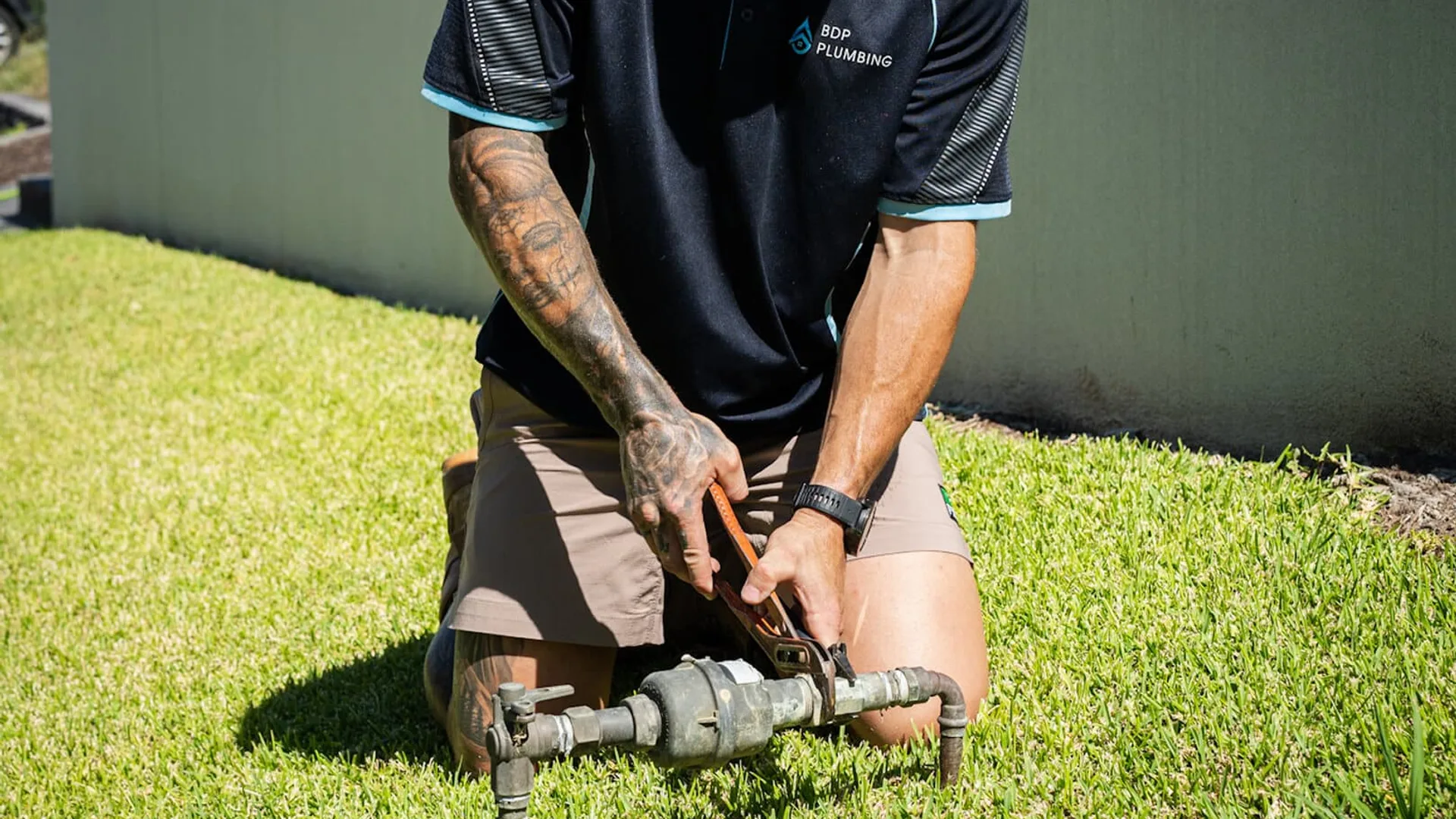
Every tap and appliance goes off, then we watch the meter. If it still creeps, the leak is real, and how fast it moves tells us how big it is.
Listening gear pinpoints the sound
Acoustic equipment hears water escaping under pressure through pipe and soil, and the loudest point marks the fault within a small area rather than a whole wall.
Pressure testing isolates the line
Sections of pipework get isolated and tested one at a time, which separates a supply fault from a drainage fault before anyone decides where, or whether, to open anything up.
Quote, then the smallest opening
Once the fault is confirmed, you get the figure in writing before a tool comes out. We then open the smallest area the repair needs, sometimes nothing at all.
Signs worth booking a check
Some of these are easy to dismiss, and all of them are worth a look before they grow:
- A quarterly bill that climbs while your usage stays the same
- Running water sounds when every tap is turned off
- Damp or mould in a room that should be bone dry
- Warm patches on a concrete floor, a classic slab-leak sign
- A ceiling stain that spreads even when no rain is getting in
- A cistern that refills itself when nobody has touched it
Any one of these can start small. None of them stay that way once ignored.
What the job costs
The building decides the search. A connector behind a vanity in a modern unit is a different job to a corroded line running beneath a Federation cottage floor, so the figure reflects the property rather than a flat rate.
What never changes:
- Nothing to book the visit. No call-out fee, wherever you are on the run.
- Quote first. The figure lands in writing and you approve it before any work starts.
- Repair included. We fix what we find, so you are not left holding a diagnosis and a list of strangers to call.
Related plumbing services
Leak detection sits alongside other jobs, and the boundaries matter:
- Burst pipes: water going where it shouldn't right now is an emergency call, not a slow hunt
- General plumbing: most supply and fixture leaks get fixed under the plumbing hub once located
- Hot water repair: if the fault turns out to be the unit rather than the pipes, repair or replacement becomes the conversation
- Residential plumbing: everyday fixes for houses, and the pipework behind them
- Commercial plumbing: shops and medical suites carry their own leak risks, and downtime costs more than the repair
- CCTV drain inspections: when the escape is on the drainage side, the drainage hub and a camera show the true state of the line
Leak detection questions
How do you find a leak hidden inside a wall?
Listening gear picks up water moving under pressure, and pressure testing narrows which line is at fault before any plaster comes off.
Why has my water bill jumped when nothing is dripping?
Hidden faults, usually a buried supply line or a weeping joint inside a cavity, waste water quietly, and a meter test confirms it.
What does leak detection cost?
Nothing to come out, and a written quote before any work starts. The final figure depends on the property and how deep the fault hides.
Can a slow leak cause serious damage?
Yes. Persistent damp inside a cavity, slab or subfloor rots framing, lifts floor coverings and feeds mould long before a puddle ever shows.
Do you repair the leak once you find it?
We do. Once the fault is located we quote the repair separately, and licensed plumbers carry it out so the job finishes fixed.
Will you have to pull the house apart?
No. Detection exists to avoid exploratory demolition. The gear locates the fault first, then we open the smallest area possible, and sometimes nothing at all.
Book the leak check
A hidden leak never improves with time. Call (02) 4063 3461 and tell us what you have noticed, whether that is a spreading stain, a meter that will not sit still or a bill that has climbed without reason.
Call (02) 4063 3461 and tell us what's happening. $0 call out across Waratah, a clear quote before any work starts, and a job that gets made right if it isn't right the first time.
Frequently asked questions
How do you find a leak hidden inside a wall?
Listening gear picks up water moving under pressure, and pressure testing narrows which line is at fault before any plaster comes off.
Why has my water bill jumped when nothing is dripping?
Hidden faults, usually a buried supply line or a weeping joint inside a cavity, waste water quietly, and a meter test confirms it.
What does leak detection cost?
Nothing to come out, and a written quote before any work starts. The final figure depends on the property and how deep the fault hides.
Can a slow leak cause serious damage?
Yes. Persistent damp inside a cavity, slab or subfloor rots framing, lifts floor coverings and feeds mould long before a puddle ever shows.
Do you repair the leak once you find it?
We do. Once the fault is located we quote the repair separately, and licensed plumbers carry it out so the job finishes fixed.
Will you have to pull the house apart?
No. Detection exists to avoid exploratory demolition. The gear locates the fault first, then we open the smallest area possible, and sometimes nothing at all.
Plumbers in Waratah and the suburbs around it